
Alex

How to Handle Debt and Build a Stronger Financial Future

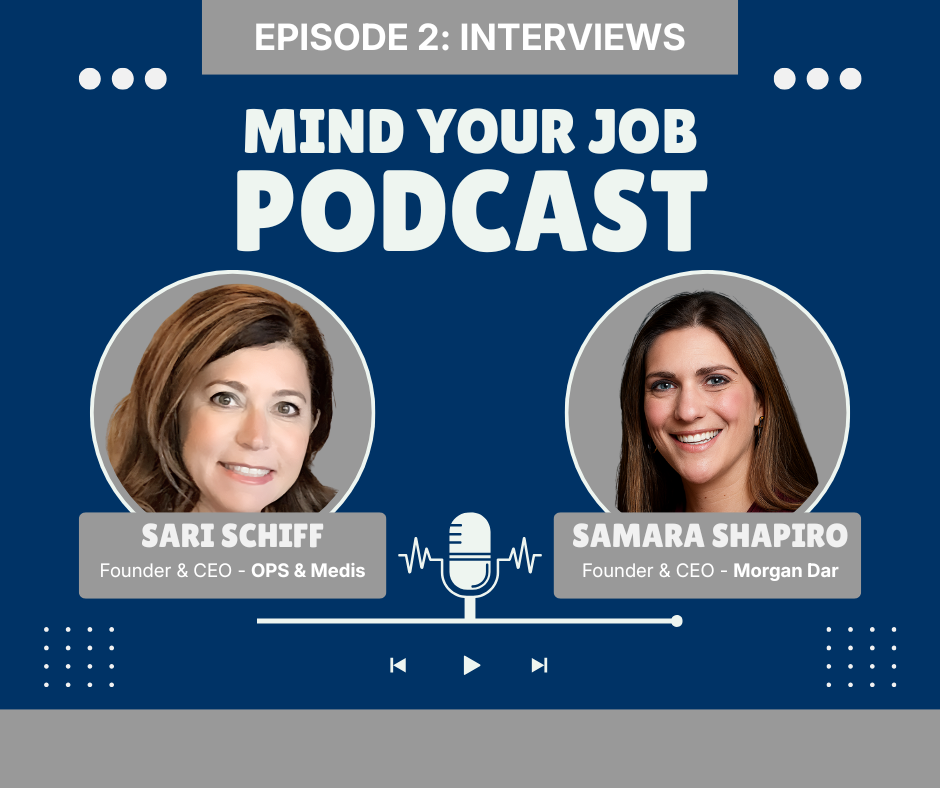
For many professionals, especially those entering healthcare and dental careers, debt can feel like an unavoidable part of the journey. Student loans, business investments, personal expenses, and long-term financial goals can quickly create a sense of uncertainty. The challenge isn’t simply having debt – it’s knowing how to manage it without allowing it to control your future. In Episode #23 of the Mind Your Job Podcast, Sari Schiff and co-host Samara Shapiro, CPC sat down with special guest Daniel Guhl, Partner & Private Wealth Advisor at Prescient Financial Solutions – Northwestern Mutual Private Client Group, to discuss practical ways professionals can approach debt with confidence and create a plan for long-term financial health. Debt Is More Common Than You Think One of the biggest misconceptions surrounding debt is that it reflects poor financial decisions. In reality, many professionals take on debt strategically. Dental professionals, healthcare providers, and business owners often invest heavily in education, training, and future opportunities. The goal isn’t necessarily to eliminate debt immediately. The goal is understanding it, organizing it, and creating a realistic strategy around it. Instead of asking: “How fast can I get rid of this?” A better question may be: “How can I manage this while continuing to grow personally and professionally?” Create a Plan Instead of Reacting Financial stress often comes from uncertainty. Without a roadmap, it’s easy to feel overwhelmed. Daniel emphasized the importance of understanding: Having a plan turns debt from something that happens to you into something you’re actively managing. Even small steps can create momentum. Balance Paying Debt With Building Your Future Many people think every available dollar should immediately go toward debt repayment. While aggressive repayment strategies can work in certain situations, they may not always align with larger goals. Important considerations include: Financial health isn’t just about reducing balances. It’s also about creating stability. Financial Habits Matter More Than Big Decisions People often focus on major financial moves while overlooking everyday habits. Simple actions can create long-term impact: Consistency often wins over perfection. Don’t Navigate Financial Decisions Alone One major takeaway from the conversation was the importance of seeking guidance. Financial planning doesn’t have to be a solo process. Just as professionals rely on mentors, advisors, and trusted colleagues in their careers, having financial expertise can provide perspective and help avoid costly mistakes. As careers evolve, financial needs evolve as well. Final Thoughts Debt doesn’t define success, and it doesn’t have to become a barrier to achieving long-term goals. With thoughtful planning, healthy financial habits, and a strategy designed around your personal and professional priorities, debt can become a manageable part of a larger journey. The important step is not waiting for the “perfect time” to start. It’s starting with a plan. Listen to Episode #23 of the Mind Your Job Podcast for more insights from Sari Schiff, Samara Shapiro, CPC, and Daniel Guhl on managing debt and building a stronger financial future. Episode #23 is on YouTube: https://youtu.be/V6wcwzZf87I and on Spotify: https://open.spotify.com/episode/0e8tVbpSn44Se2Znzy4xA5…

How to Handle Debt and Build a Stronger Financial Future Read More »
Are You Ready to Buy a Dental Practice?

Practice ownership remains one of the most significant milestones in a dentist’s professional journey. While owning a practice can provide greater autonomy, financial opportunity, and long-term career stability, it also requires thoughtful planning and a clear understanding of the transition process. In Episode #22 of the Mind Your Job Podcast, Sari Schiff and Samara Shapiro sits down with Betsy Krekling of DDSmatch Wisconsin to discuss the key considerations dentists should evaluate when exploring practice ownership. Drawing on her extensive experience facilitating dental practice transitions, Betsy shares insights into the strategic, financial, and personal factors that contribute to a successful acquisition. Understanding the Opportunity For many dental professionals, ownership represents an opportunity to shape the future of their careers. Beyond the potential financial benefits, owning a practice allows dentists to establish their own clinical philosophy, build a team culture that reflects their values, and create a long-term vision for patient care. However, purchasing a practice is about more than acquiring a business. It is a professional commitment that requires careful evaluation of both the opportunity itself and the buyer’s readiness to assume the responsibilities of ownership. Evaluating More Than Financial Performance While financial metrics are an essential component of any practice acquisition, they should not be the sole determining factor in the decision-making process. According to Betsy, successful transitions occur when buyers assess the complete picture, including: Clinical Compatibility A practice’s treatment philosophy, service offerings, and patient care approach should align with the buyer’s professional goals and values. Clinical compatibility can significantly impact long-term satisfaction and continuity of care. Geographic and Demographic Considerations Location remains a critical factor in evaluating any opportunity. Dentists should consider community demographics, growth trends, competition, and lifestyle preferences when assessing whether a practice is the right fit. Team and Practice Culture The existing team often plays a pivotal role in a successful transition. Understanding staff dynamics, workplace culture, and leadership expectations can help ensure stability and support continuity during the ownership change. Growth Potential Every buyer has different objectives. Some may seek an established practice with predictable performance, while others may be interested in expansion opportunities through technology investments, additional services, or operational improvements. Navigating the Practice Acquisition Process The process of purchasing a dental practice involves multiple stages and stakeholders. Working with experienced professionals can help buyers navigate each phase effectively. Practice Valuation A comprehensive valuation provides an objective assessment of a practice’s market value. This evaluation typically considers financial performance, patient demographics, facility assets, equipment, and overall business health. Confidentiality and Initial Discussions Most transitions begin with confidentiality agreements that allow buyers and sellers to explore opportunities while protecting sensitive business information. Due Diligence Due diligence is one of the most important steps in the acquisition process. Buyers should carefully review financial statements, production reports, patient trends, operational procedures, and other key performance indicators before moving forward. Financing and Lending Dental practices are often financed through lenders with specialized expertise in healthcare acquisitions. Understanding financing options early in the process can help buyers establish realistic expectations and identify opportunities that align with their financial objectives. Professional Advisors Successful transactions often involve collaboration among brokers, lenders, attorneys, accountants, and consultants. A knowledgeable advisory team can help ensure that all aspects of the transition are managed efficiently and strategically. Determining Readiness for Ownership While there is no universal timeline for purchasing a practice, prospective buyers should evaluate both their professional and personal readiness before pursuing ownership. Important considerations include: Ownership requires balancing patient care with operational oversight, strategic planning, and team leadership. Understanding these responsibilities in advance can help dentists make informed decisions about their future. The Importance of Finding the Right Fit One of the most valuable insights shared during the conversation is that a successful transition is not simply about completing a transaction. It is about identifying the right match between a buyer and a practice. The strongest transitions occur when financial objectives, clinical philosophies, practice culture, and long-term goals align. Taking a strategic approach to evaluating opportunities can help buyers position themselves for sustained success while preserving the legacy and continuity of the practice they acquire. Looking Ahead As the dental industry continues to evolve, practice ownership remains an attractive pathway for many professionals seeking greater control over their careers and the patient experience they provide. For dentists considering ownership, preparation is key. By understanding the acquisition process, assembling the right advisory team, and carefully evaluating potential opportunities, buyers can approach practice ownership with confidence and clarity. For additional insights on dental practice transitions, listen to Episode #22 of the Mind Your Job Podcast, featuring Betsy Krekling of DDSmatch Wisconsin, as she shares expert guidance on navigating the path to successful practice ownership. Watch Episode #22 on YouTube: https://lnkd.in/gy-MEiSZOr on Spotify: https://lnkd.in/gzqPa55W

Are You Ready to Buy a Dental Practice? Read More »

Understanding Contracts: Protecting Your Career Through Clarity and Confidence

In today’s evolving professional landscape, contracts are more than formalities, they are foundational tools that shape responsibilities, expectations, and long-term career outcomes. Whether entering a new role, negotiating a partnership, or reviewing an employment agreement, understanding contractual language is essential to making informed decisions and protecting your interests. This was the central focus of a recent discussion featuring Sari Schiff, co-host Samara Shapiro, CPC, and attorney Eric Masson of Eskow Law Group. Their conversation offered a practical, accessible breakdown of what professionals should know when approaching contracts in any stage of their career. Why Contracts Matter More Than Ever Contracts define the framework of professional relationships. Yet many individuals sign agreements without fully understanding the implications of the terms within them. The discussion emphasized that this gap in understanding can lead to unintended commitments, limited flexibility, or overlooked obligations. A well-structured contract should do more than protect an organization, it should also provide clarity and security for the individual entering into the agreement. Key Areas to Pay Attention To The conversation highlighted several critical components that professionals should always review carefully: 1. Fine Print and Hidden ObligationsSmall clauses can carry significant weight. Details regarding termination, non-compete restrictions, compensation structures, and performance expectations can materially affect career mobility and financial outcomes. 2. Negotiation Is Normal and NecessaryContracts are not always fixed. Many terms are open to discussion, and understanding where negotiation is appropriate can lead to more favorable and balanced agreements. 3. Common Pitfalls to AvoidRushing through agreements, relying solely on verbal assurances, or failing to seek clarification on unclear language are among the most common mistakes professionals make. 4. Long-Term Career ImpactContracts should be evaluated not just for immediate benefit, but for how they influence future opportunities, flexibility, and professional growth. Real-World Application Through practical examples, the discussion reinforced how contract literacy directly supports better decision-making. Professionals who understand their agreements are better positioned to advocate for themselves, avoid unnecessary risk, and establish stronger working relationships. Legal insight, such as that provided by Eric Masson, can be especially valuable when navigating complex or high-stakes agreements. His perspective underscored the importance of seeking clarity before signing and recognizing when professional legal review is appropriate. For those seeking direct legal guidance, Eric Masson can be reached at 757-876-9359. Supporting Career Growth Through Knowledge Beyond legal protection, contract awareness plays a broader role in career development. Being informed allows professionals to approach opportunities with confidence and negotiate from a position of understanding rather than uncertainty. Resources that focus on operational efficiency and professional development can further support this growth. One such resource is Painless by Office and Practice Solutions (OPS), which explores strategies for building stronger, more efficient, and more successful dental practices. To learn more or request a copy, contact Sari Schiff at 414-759-4168 or Sari@officeandpracticesolutions.com. Final Thought Contracts are not just legal documents, they are career-shaping tools. Taking the time to understand them fully can lead to better outcomes, stronger protections, and greater long-term success in any profession.

Understanding Contracts: Protecting Your Career Through Clarity and Confidence Read More »

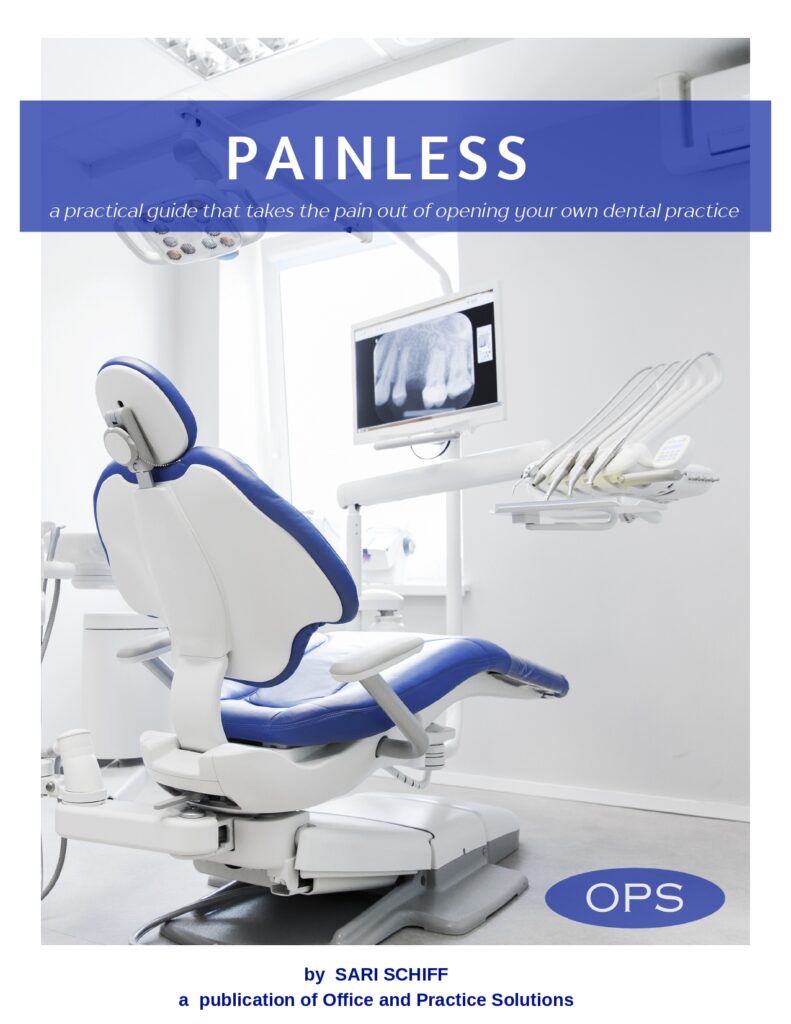
Introducing PAINLESS: A Practical Guide to Opening Your Own Dental Practice

Opening a dental practice is one of the most exciting-and overwhelming-milestones in a dentist’s career. Between securing financing, choosing the right location, coordinating vendors, managing build-out timelines, and preparing for opening day, the process can quickly become complex and stressful. That’s exactly why Office and Practice Solutions (OPS) is proud to announce the launch of PAINLESS: A Practical Guide That Takes the Pain Out of Opening Your Own Dental Practice, written by Principal Sari Schiff. Designed as a step-by-step roadmap, PAINLESS simplifies what can often feel like a daunting journey into a clear, organized, and manageable process. Turning Uncertainty Into Strategy After years of hands-on experience guiding dentists through successful startups and operational development, Sari Schiff recognized a recurring challenge: talented clinicians often feel unprepared for the business side of practice ownership. Questions like: These are common-and valid-concerns. PAINLESS was created to answer them directly. The book walks readers through every major stage of launching a dental practice, including: Rather than overwhelming readers with theory, the guide focuses on practical application-providing structure, clarity, and actionable direction. Building It Right From Day One Practice ownership is not just about opening doors-it’s about building a strong foundation for long-term success. Too often, new practice owners learn lessons the hard way, encountering preventable delays, unexpected expenses, or operational inefficiencies. PAINLESS is designed to help dentists avoid costly missteps by approaching their launch with strategy, preparation, and confidence. With the right roadmap, the startup phase becomes less reactive and more intentional. Instead of scrambling to solve problems, dentists can focus on building systems that support growth, efficiency, and patient experience from the very beginning. A Resource for Every Stage of the Journey Whether you are: PAINLESS serves as a comprehensive guide to navigating the process with clarity. The launch of this book reflects OPS’s broader mission: empowering dental professionals to create sustainable, well-organized, and successful practices nationwide. About Office and Practice Solutions Based in Whitefish Bay, Wisconsin, Office and Practice Solutions partners with dental professionals to streamline practice development, operational systems, and long-term growth strategy. Under the leadership of Sari Schiff, OPS has built a reputation for practical expertise, strategic insight, and hands-on support. The release of PAINLESS is a natural extension of that mission-offering dentists a structured path from concept to grand opening. Ready to Take the Next Step? Dentists interested in learning more about PAINLESS or exploring consulting services through Office and Practice Solutions are encouraged to reach out directly. Because opening a practice shouldn’t feel overwhelming. With the right guidance, it can be strategic, organized-and yes-painless. For more information, contact Office and Practice Solutions at (414) 759-4168 or email info@officeandpracticesolutions.com.

Introducing PAINLESS: A Practical Guide to Opening Your Own Dental Practice Read More »

Why Hiring an Associate Earlier Might Be the Smartest Move You Can Make

For many practice owners, hiring an associate feels like a milestone that should come after the schedule is completely full, the team is stretched thin, and the waitlist is growing. The common mindset is, “We’ll hire when we absolutely have to.” However, waiting until you feel desperate for help can quietly limit growth and create unnecessary strain. In reality, hiring an associate earlier than expected can be one of the most strategic business decisions a practice owner makes. When you wait until you are fully booked and overwhelmed, onboarding an associate becomes stressful for everyone involved. Training feels rushed, systems are tested under pressure, and your team may already be fatigued. Bringing someone on earlier allows you to onboard intentionally, provide thorough training, and gradually build their schedule. This approach protects your patient experience and ensures the associate integrates smoothly into your clinical flow and culture. Growth becomes controlled and sustainable rather than reactive and chaotic. There is also a direct financial and operational impact to consider. Delayed hiring often results in longer wait times, reduced appointment availability, and limited flexibility for new patients. Over time, those delays can translate into missed revenue opportunities and potential patient attrition. By increasing capacity before you reach a breaking point, you preserve access, maintain service quality, and create room to expand procedures or introduce new services. Early hiring supports consistent revenue growth instead of playing catch-up. Equally important is the impact on the practice owner. Extended hours, compressed schedules, and constant clinical demand can contribute to burnout, which affects both leadership and long-term decision-making. Hiring an associate earlier provides breathing room. It creates time to focus on strategic planning, marketing initiatives, team development, and operational improvements – areas that ultimately increase practice value and stability. From a recruiting standpoint, waiting until you urgently need someone can weaken your position in the hiring market. Strong candidates are evaluating multiple opportunities, and a rushed hiring process can signal instability. When you recruit from a position of strength, you can be selective, prioritize cultural alignment, and design a thoughtful onboarding plan. Top candidates are often drawn to practices that demonstrate foresight, organization, and long-term vision. Medis Tip: Start the recruiting process before you feel ready. Hiring – from sourcing and interviews to credentialing and onboarding – often takes longer than anticipated. Beginning early allows you to grow with intention rather than urgency. At Medis Jobs LLC, we help practices anticipate staffing needs and connect with qualified clinical and administrative professionals who align with their long-term goals. The strongest hiring decisions are proactive, not reactive.

Why Hiring an Associate Earlier Might Be the Smartest Move You Can Make Read More »

Why Networking Still Matters in Dental Careers (and How to Do It Right)

In today’s competitive dental job market, submitting applications online is only part of the equation. Whether you’re a dentist, hygienist, or dental assistant, networking remains one of the most effective ways to discover opportunities, build long-term career momentum, and find the right practice fit – often before a job is ever publicly posted. At Medis Jobs LLC, we see firsthand how strong professional connections can accelerate careers and strengthen dental teams. Networking Opens Doors You Didn’t Know Existed Many dental practices prefer referrals over cold applications. A recommendation from a colleague, recruiter, or industry contact can fast-track your candidacy and give hiring managers confidence before the interview even begins. Networking helps you access these “hidden” opportunities – roles that may never reach job boards. For employers, networking works the same way. Practices that build relationships within the dental community tend to attract more engaged, aligned candidates who stay longer and perform better. It’s Not About Who You Know – It’s About How You Connect Networking doesn’t mean awkward elevator pitches or forced conversations. The most effective networking is genuine and relationship-driven. Simple actions can make a big impact: Consistency matters more than volume. A small, trusted network is far more valuable than hundreds of surface-level contacts. Recruiters Are Part of Your Network One of the most overlooked networking tools is working with a specialized recruiter. At Medis Jobs LLC, we don’t just match resumes to roles – we build relationships with both candidates and practices. That means we understand goals, preferences, and long-term career plans, allowing us to make introductions that actually make sense. For job seekers, this translates into: For practices, it means faster placements, stronger candidates, and reduced turnover. Networking Is a Long-Term Investment Even if you’re not actively job searching, networking keeps you informed, visible, and prepared. Careers evolve, life circumstances change, and opportunities arise when you least expect them. Maintaining professional relationships ensures you’re never starting from zero. In dentistry – where trust, teamwork, and reputation matter – networking isn’t optional. It’s essential. Let Medis Jobs LLC Be Part of Your Professional Circle Whether you’re exploring your next move or building a stronger dental team, Medis Jobs LLC is here to connect the right people at the right time. Great careers – and great practices – are built on relationships. Ready to expand your network?Let’s start the conversation.

Why Networking Still Matters in Dental Careers (and How to Do It Right) Read More »

From New Year Resolutions to Real Career Momentum

By the time January reaches its final stretch, the noise of the New Year begins to quiet. The fresh calendars are no longer blank, routines have re-formed, and many professionals find themselves asking an important question: What now? While January 1st often gets the spotlight, late January is where meaningful progress actually begins-especially when it comes to your career. At Medis Jobs, LLC, we view this time of year as a transition point. The reflection of December has passed, and the goal-setting energy of early January has had time to settle into something more realistic and intentional. This is when healthcare professionals start to think less about resolutions and more about alignment-how their work fits into the life they want to live in the year ahead. The healthcare job market follows a similar rhythm. Employers are no longer in planning mode; budgets have been approved, staffing gaps are becoming clear, and hiring managers are ready to act. This makes late January an ideal moment to explore opportunities-not from a place of urgency, but from a position of strength and preparation. Reassessing What You Really Want from Your Career Career growth doesn’t always mean climbing higher-it often means getting clearer. For some professionals, that clarity comes from seeking stability and long-term growth in a permanent role. For others, it comes from exploring contract or travel opportunities that offer flexibility, variety, or faster skill development. Now is the time to take an honest look at the past year. What energized you? What drained you? Were you challenged in ways that helped you grow, or were you simply trying to get through each week? These reflections matter. They shape the kinds of roles you should pursue and the boundaries you should set moving forward. Healthcare professionals are in demand, but not all opportunities are created equal. The most successful career moves come from understanding your priorities before reviewing job listings-not the other way around. When you know what matters most to you, it becomes easier to recognize the right opportunity when it appears. Preparing Before the Opportunity Appears One of the most common mistakes professionals make is waiting until they need a new job to prepare for one. Late January is the perfect time to get ahead of that curve. Updating your resume, refining your LinkedIn profile, and organizing your credentials now means you’ll be ready when opportunities move quickly-which they often do in healthcare. This preparation isn’t just about documents. It’s also about conversation. Reconnecting with your network, checking in with mentors, and speaking with recruiters can provide valuable insight into market trends, compensation expectations, and emerging opportunities you may not see posted online. Medis Tip Treat career conversations as exploration, not commitment. Talking with a recruiter or learning about the market doesn’t mean you have to make a move-it simply gives you information. And information is one of the most powerful tools you can have when planning your next step.

From New Year Resolutions to Real Career Momentum Read More »

Interview Success Begins Before the Conversation Starts

Interviews are often viewed as a final hurdle in the job search process, but in reality, they are a reflection of everything that happens beforehand. In Episode #2 of the Mind Your Job Podcast, Medis Jobs CEO Sari Schiff sits down with Samara Shapiro, CPC, to explore what truly drives interview success in today’s increasingly competitive healthcare and dental job market. Their conversation reinforces an important truth: strong interviews are not about delivering rehearsed answers or trying to fit a mold. They are about preparation, clarity, and presenting your authentic professional self with confidence. Presenting Yourself with Confidence and Intention Many candidates approach interviews focused on saying the “right” thing. However, confidence is not rooted in perfection – it comes from understanding your experience, your strengths, and how they align with the role you are pursuing. Candidates who are able to clearly articulate their value, speak thoughtfully about their background, and connect their skills to the organization’s needs consistently stand out. Authenticity plays a critical role as well. Employers are not only evaluating technical qualifications; they are assessing communication style, professionalism, and cultural fit. Candidates who present themselves honestly and thoughtfully create stronger, more lasting impressions than those who rely on generic responses. Standing Out in a Crowded Job Market In today’s hiring landscape, qualifications alone are often not enough to differentiate candidates. Employers are looking for individuals who demonstrate genuine interest in the role and an understanding of the organization they hope to join. Taking the time to research a practice, ask meaningful questions, and articulate why the opportunity aligns with long-term goals signals professionalism and maturity. Interview success is increasingly tied to how well a candidate communicates intent. Employers want to know not just what you have done, but where you are headed and how this role fits into that trajectory. Reframing the Interview as a Two-Way Dialogue A key theme of the episode is the importance of viewing interviews as conversations rather than interrogations. Candidates are not simply seeking an offer; they are determining whether a role will support their professional growth and overall well-being. Asking thoughtful questions about expectations, team dynamics, and opportunities for development helps candidates assess whether an organization aligns with their values and career goals. This approach not only leads to better decision-making but also demonstrates confidence and self-awareness to potential employers. Preparation as a Strategic Advantage Preparation remains one of the most powerful tools a candidate can bring into an interview. This includes being able to speak confidently about past experiences, understanding how your resume reflects your professional narrative, and anticipating questions that allow you to highlight impact rather than responsibilities. When preparation is combined with authenticity, candidates naturally project confidence. Interviews become less stressful and more productive, allowing both parties to engage in meaningful dialogue. How Medis Jobs Supports Interview Success At Medis Jobs LLC, interview preparation is viewed as an essential part of long-term career success, not a one-time event. Through free resume reviews, career guidance, educational content, and community-driven resources, Medis Jobs helps healthcare and dental professionals approach interviews with clarity and confidence. The goal is not simply to help candidates secure positions, but to guide them toward opportunities that align with their skills, values, and future aspirations. Final Thoughts Interview success is rarely accidental. It is the result of preparation, self-awareness, and intentional communication. Episode #2 of the Mind Your Job Podcast highlights that when candidates invest in understanding themselves and the opportunities they pursue, interviews become opportunities for connection rather than pressure. Watch the full podcast here: https://www.instagram.com/p/DSSdLj6DSHa/ or on the rest of our socials! Visit MedisJobs.com to learn more and access free career resources designed to help you stand out – before, during, and after the interview.

Interview Success Begins Before the Conversation Starts Read More »

Wellness in Dentistry: A Foundation for Stronger Students, Healthier Professionals, and Better Patient Care

For dental students and emerging professionals, the demands of training and early career development can be intense. Long hours, clinical expectations, academic pressures, and the emotional weight of patient care all converge during a period of life when many are still learning how to balance their own needs. At Medis Jobs LLC, we believe that prioritizing wellness is not optional, it is essential. Your well-being directly influences the quality of care you provide, the longevity of your career, and your ability to thrive both personally and professionally. Wellness in dentistry is multidimensional, and each dimension plays a distinct role in shaping how you learn, practice, and grow. Below is a deeper look at five key components of wellness and why they matter at every stage of your dental journey. Emotional Wellness: Strengthening Your Capacity to Adapt and Endure Emotional wellness involves the ability to recognize, understand, and manage your feelings while navigating the stresses of dental education and early clinical practice. Dentistry is a field where precision and composure are essential, yet the path to proficiency is often filled with moments of self-doubt, pressure, and vulnerability. Cultivating emotional wellness means building resilience; developing realistic expectations, communicating openly about challenges, and surrounding yourself with supportive peers and mentors. Students frequently find that the emotional demands of dentistry can feel overwhelming, especially when balancing exams, patient care, and clinical performance. Being honest with yourself and with others about what you’re experiencing can make a profound difference. Whether through mindfulness, regular check-ins with trusted peers, or simply allowing space for both positive and difficult emotions, emotional wellness is foundational to personal stability and clinical confidence. Physical Wellness: Protecting the Body That Supports Your Career Dentistry places unique physical demands on the body. Hours spent leaning over patients, maintaining precise posture, and performing fine motor tasks can lead to chronic discomfort or long-term musculoskeletal issues if physical health is not prioritized. Physical wellness includes proper nutrition, regular exercise, adequate sleep, hydration, and avoiding harmful substances; all of which influence your stamina and performance. When students or professionals neglect their physical health, the effects are often immediate. Fatigue reduces concentration, poor posture increases pain, and inconsistent routines make long days feel even longer. Conversely, consistent physical care strengthens endurance, sharpens focus, and supports the long-term sustainability of a physically demanding profession. Prioritizing sleep, maintaining a balanced diet, engaging in regular movement, and staying on top of your own healthcare appointments set the foundation for a healthier and more productive dental career. Intellectual Wellness: Staying Curious in a Profession Driven by Innovation Dentistry is both an art and a science, requiring continuous learning long after graduation. Intellectual wellness encourages curiosity, creativity, and engagement with ideas both within and outside the field of dentistry. Nurturing your intellectual health means seeking opportunities to challenge your mind, whether through continuing education, reading, hands-on hobbies, participating in academic events, or simply exploring subjects unrelated to your coursework. Intellectual versatility strengthens your ability to adapt to new technologies, treatment modalities, and research developments. It also provides balance, allowing you to stay mentally stimulated without becoming solely defined by academic or clinical obligations. Students who cultivate intellectual curiosity often find renewed motivation, deeper clinical insight, and a healthier relationship with lifelong learning. Occupational Wellness: Building Satisfaction and Long-Term Career Stability Occupational wellness centers on finding meaning, balance, and fulfillment in your professional path. For dental students, this may mean exploring different specialties, seeking mentorship, or reflecting on what aspects of dentistry inspire you. For young professionals, occupational wellness involves maintaining healthy communication with colleagues, developing career goals, and building a work environment that supports personal and professional growth. A strong sense of occupational wellness helps prevent burnout, increases job satisfaction, and fosters enthusiasm for patient care. It is also shaped by relationships; how you collaborate with classmates, clinicians, instructors, and team members. Whether through networking, professional development, volunteering, or mentorship, investing in occupational wellness ensures that your career aligns with your strengths, values, and aspirations. Environmental Wellness: Creating Surroundings That Promote Focus and Calm The environments you inhabit; your study spaces, clinical settings, and living areas, have a significant impact on your mental clarity and productivity. Environmental wellness is about creating surroundings that feel safe, organized, and aligned with your personal values. A clean workspace reduces stress, while natural elements, structured routines, and sustainable habits contribute to a sense of stability. Environmental wellness also extends to your relationship with the broader world, including how you manage resources, reduce waste, and maintain thoughtful habits that contribute to a cleaner and more sustainable environment. For students and professionals who spend long hours in academic buildings, clinics, or dental offices, small environmental improvements can dramatically affect mood, concentration, and well-bei Medis Tip: Build a Weekly Wellness Rhythm At Medis Jobs LLC, we recommend creating a simple “wellness rhythm” a weekly structure that prioritizes consistency over perfection. Instead of treating wellness as a checklist to complete, integrate small, meaningful actions into your routine. A brief walk between classes, a nightly moment of reflection, or dedicating a few minutes to clearing your workspace can have a compounding effect on your mental, physical, and professional health. These habits not only support your success during dental school and early practice but also establish the foundation for a healthier, more sustainable career in dentistry.

Wellness in Dentistry: A Foundation for Stronger Students, Healthier Professionals, and Better Patient Care Read More »

Scroll to Top